
CRM for Tradies: The 5 Features Australian Contractors Actually Need
CRM, Trade Businesses, HVAC, Plumbing, Electrical, Australia
CRM for Tradies: What You Actually Need (And What's Just Hype)
Most trade business owners in Australia have been pitched complicated CRM systems built for corporate sales teams with full-time admins. As an HVAC, plumbing, or electrical contractor running a crew of 2–20, you don’t need a “global sales pipeline solution”. You need something simple that quietly does its job in the background so you can stay on the tools, keep the boys moving, and stop leads slipping through the cracks.
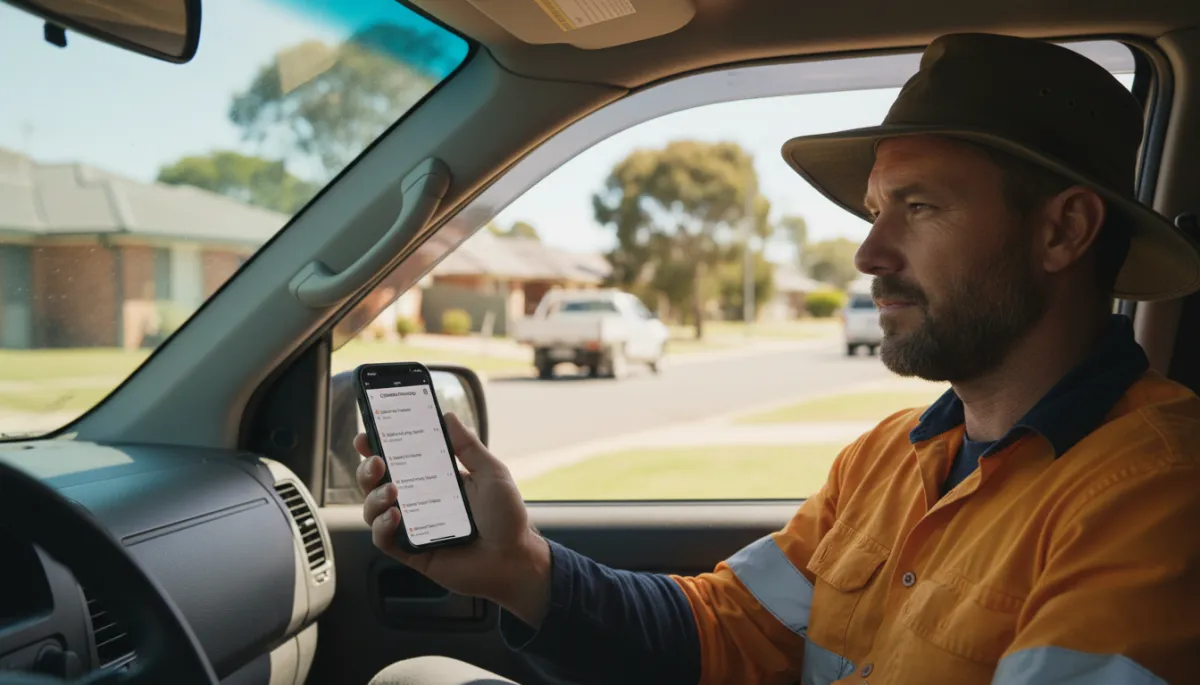
Stay on top of every lead without living in your inbox
A practical CRM built for Australian HVAC, plumbing, and electrical contractors
What Is a CRM, in Plain English?
Let’s strip away the buzzwords. A CRM (Customer Relationship Management system) is simply a place where every lead, customer, and conversation lives, so you’re not relying on memory, screenshots, or a whiteboard in the shed. For most owner-operated trade businesses, a good CRM for tradies Australia should answer three very basic questions, every time someone enquires:
Who enquired, and when? Name, number, email, suburb, and the exact time they reached out (phone, web form, Facebook ad, Google, SMS, etc.).
Have we followed up? Did they get an instant reply? Did someone call them back? Is there a quote out? Is another follow-up due?
Did they book? Did they become a job, get scheduled, or say “not now”? If they didn’t book, are we nurturing them for later?
That’s it. If a CRM can’t reliably answer those three questions without you babysitting it, it doesn’t matter how pretty the dashboards are — it’s not helping you win more work or keep your diary full in the quieter weeks.
💡 Reality check: Most Australian trade businesses we speak to have “a CRM” already — usually a mix of Outlook, text messages, Facebook DMs, and someone’s memory. That’s exactly where things fall through the cracks.
What Most Tradies Actually Need From a CRM
As a senior software engineer who’s spent years integrating systems for HVAC, plumbing, and electrical contractors, I can tell you this: the “best CRM for trade contractors” is not the one with the longest feature list. It’s the one that quietly handles the boring but critical steps every single time.
1. Lead capture from multiple sources
Leads don’t just come from one place anymore. A practical HVAC contractor CRM Australia needs to automatically capture:
Website enquiry forms (including from landing pages for Google Ads).
Facebook/Instagram lead ads and DMs.
Google Business Profile messages and calls.
SMS enquiries and missed calls.
You shouldn’t be copying and pasting details into a spreadsheet. The CRM should catch it all automatically and create a contact + lead record without you lifting a finger.
2. Instant automated response (so you don’t lose them to the next tradie)
In 2026, most people expect a reply within minutes, not hours. If you’re on a roof, under a house, or driving between jobs, you can’t always answer the phone. A smart CRM for tradies should:
Send an instant SMS or email confirming you’ve got their enquiry.
Offer a simple way to share photos, details, or preferred times.
Optionally give them a link to book a call or site visit.
That first response alone can double your conversion rate — without you personally replying to every message the moment it lands.
3. Follow-up reminders or automation (so quotes don’t go cold)
Most tradies don’t lose work because they’re bad at the job. They lose it because they’re too busy to follow up quotes. Your CRM should either:
Remind you to follow up (with a task list that appears on your phone), or
Automatically send a polite follow-up SMS/email after a set number of days.
// Example: simple follow-up rule (conceptual pseudo-code)
if (lead.status == "Quote Sent" &&
    days_since(lead.quote_sent_at) == 3 &&
    !lead.has_booked) {
    send_sms(
        to = lead.mobile,
        message = "Hi {{first_name}}, just checking in about your quote. Any questions or would you like to book a time?"
    );
}
You don’t need to write this code yourself — a well-designed CRM for tradies should have this logic baked in as simple “if this, then that” workflows set up for you.
4. Conversation history in one place
When a customer calls back three weeks later, you shouldn’t have to scroll through your personal SMS, Messenger, and email to remember what was said. Your CRM should keep:
Every SMS thread, email, and note in a single timeline per customer.
Call logs and voicemails attached to the right contact.

A clean CRM view shows exactly who enquired, what was said, and what happens next.
5. Booking integration (so leads become jobs without double-handling)
Once someone says “yes”, you want them booked in quickly and cleanly. Your CRM doesn’t need to run your whole schedule (that’s what job management tools like ServiceM8, Tradify, Fergus, or simPRO are for), but it should:
Connect to your booking calendar or job management software.
Push basic job details across automatically (name, address, notes).
That way you’re not typing the same information into three different systems while the next call is already ringing.
What Tradies Don’t Need (That Gets Sold Anyway)
A lot of CRMs are built for big sales teams with layers of management. When those tools are sold into trade businesses, they bring in a heap of features that sound impressive but rarely get used — and usually just confuse the team.
Complex sales pipelines with 10+ stages — you don’t need “Marketing Qualified Lead”, “Sales Accepted Lead”, “Negotiation”, “Procurement Review”. For a trade business, stages like New Enquiry → Quoted → Won → Lost are enough.
Revenue forecasting dashboards — pretty graphs predicting revenue six months out might look good in a boardroom, but if you’re still chasing callbacks manually, it’s putting lipstick on a pig.
Lead scoring algorithms — systems that score leads from 1–100 based on website behaviour are built for SaaS companies, not for Mrs Smith who just wants her hot water back on tonight.
Multi-team collaboration tools — if your whole “sales department” is you and maybe one office admin, you don’t need Slack-style channels built into your CRM.
⚠️ Warning: Every extra feature you don’t genuinely need is another button for someone to click wrong. Complexity kills adoption. If your team finds it confusing, they’ll go back to texting and notebooks.
CRM vs. Job Management Software: They’re Not the Same Thing
This is where a lot of confusion comes from. Tools like ServiceM8, Tradify, Fergus, and simPRO are excellent at running jobs. They handle:
Scheduling and dispatching techs.
Job cards, SWMS, photos, notes, and checklists on-site.
Invoicing, payments, and integration with Xero or MYOB.
That’s after you’ve won the job. A CRM sits before that point — it’s about turning more enquiries into booked jobs. The best setup for most 2–20 person trade businesses in Australia is:
A job management platform (ServiceM8, Tradify, Fergus, simPRO) to run the work.
A CRM for tradies that specialises in capturing, nurturing, and booking leads, then handing them off cleanly.
Some job management tools have basic CRM features, and that’s fine as a starting point. But as industry research shows, the businesses that integrate dedicated tools via APIs tend to process more sales volume and stay more active across the year. When you pair a focused CRM with your job system, you get better conversion and smoother operations.
The One Question to Ask Before Buying Any CRM
As a developer, I can tell you the technology is the easy part. The hard part is getting humans to actually use it. So here’s the single most important question to ask about any CRM:
“Does this system work automatically, or does it rely on me to maintain it every day?”
If the CRM needs you to manually:
Create every contact by hand,
Move every lead through stages,
Set calendar reminders for follow-ups,
…then it will get used for a week, maybe a month, and then slowly die. You’re too busy running jobs to be a full-time data entry clerk.
A CRM that’s genuinely built for tradies should:
Auto-create leads from forms, ads, and calls.
Auto-send first replies and follow-ups based on simple rules.
Auto-update stages when someone books, replies, or goes quiet.
// Concept: event-based automation instead of manual updates
on_event("new_web_enquiry", (lead) => {
    lead.status = "New Enquiry";
    send_sms(lead.mobile, templates.initial_reply);
});

on_event("booking_confirmed", (lead) => {
    lead.status = "Booked";
    push_to_job_management(lead);
});

on_event("no_response_7_days", (lead) => {
    lead.status = "Dormant";
    send_email(lead.email, templates.check_in);
});
Again, you never see this code — but you feel the result: the system quietly looks after leads while you look after customers.
What to Look for in a CRM Built for Tradies
If you’re comparing options and searching for the best CRM for trade contractors, use this practical checklist. For an owner-operated crew in Australia, I’d be looking for a system that:
Captures leads automatically from your website, ads, Google Business Profile, and social channels — no copy/paste from inboxes.
Sends an instant response via SMS or email, branded as your business, confirming you’ve received the enquiry and what happens next.
Follows up automatically on quotes and missed calls with simple, human messages — not spammy marketing sequences.
Connects to your booking calendar or job software so “yes” turns into a scheduled job without double-handling data.
Brings all messages into one place — SMS, email, web forms, and (ideally) social messages in a single inbox so your office doesn’t need 10 tabs open.
Is set up for you — templates, automations, and integrations done by someone who understands Australian trade workflows, not left for you to figure out at 10pm.
Works from your phone — a clean mobile view so you can see today’s leads, who needs a call, and what’s been booked while you’re on-site.
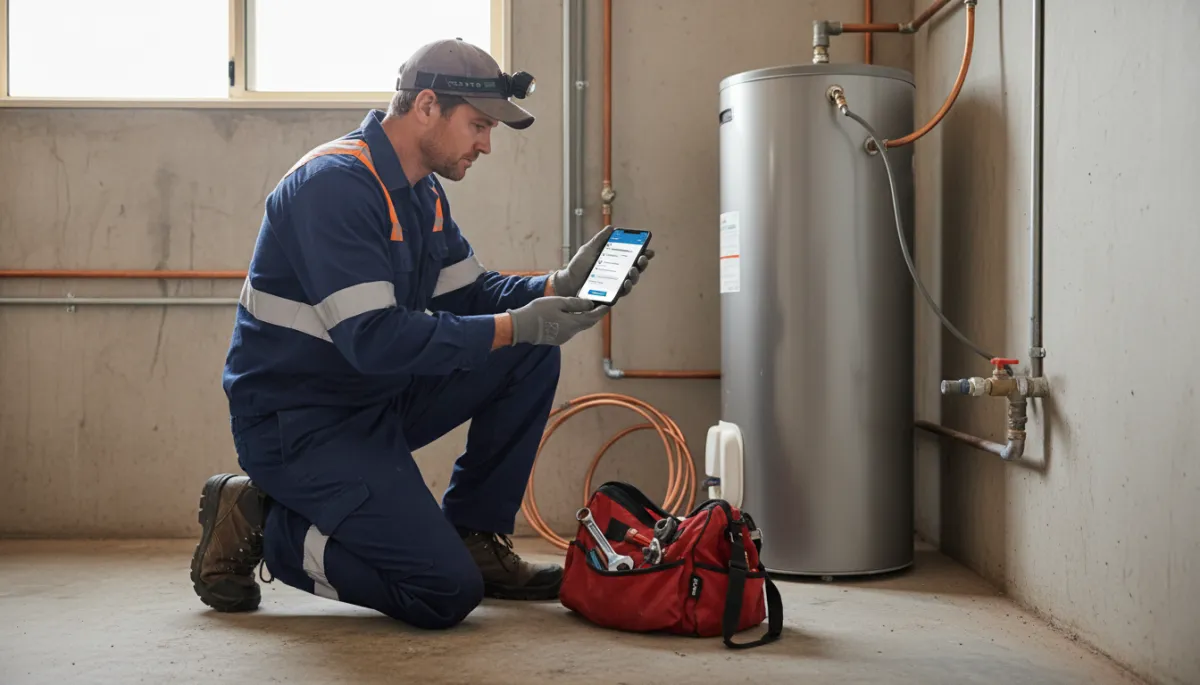
When bookings flow straight from enquiry to job, you stop losing work in the admin gap.
💡 Pro tip: During demos, don’t just ask what the CRM can do. Ask what they will set up for you — templates, automations, integrations, and training for your team.
CairnCore Systems: CRM for Tradies, Done For You
CairnCore Systems was built specifically as a CRM for tradies Australia — not for software companies, real estate, or corporate sales teams. As engineers, we’ve taken the boring but critical parts of a CRM and automated them for Australian HVAC, plumbing, and electrical contractors:
Automatic lead capture from your website, Google, and social ads.
Instant, branded SMS/email replies so you never leave a lead hanging.
Sensible, pre-built follow-up workflows tuned for Australian customers and time zones (no 2am emails).
Integration with your existing job management tools so booked work flows straight through to your normal scheduling system.
You don’t need to learn how to “build automations” or design funnels. We configure CairnCore around how your business already runs — then quietly optimise it so fewer leads slip away and more quotes turn into jobs.
✅ Bottom line: If you’re an Australian trade business with 2–20 staff and you want a practical, no-nonsense CRM that works in the background while you work on the tools, CairnCore is built for you.
If you’re comparing options for the best CRM for trade contractors and want to see exactly how this would look for your business — with your website, your ads, and your existing job system — the next step is simple.
